
Formal saving in developing economies surged to its highest level in more than a decade in 2024, powered largely by the widespread use of mobile phones and digital financial tools, the World Bank said in its new Global Findex 2025 report.
For the first time, 40 percent of adults in low- and middle-income countries reported saving money through a bank or other financial institution—marking a 16-percentage-point increase since 2021 and the sharpest three-year rise since the Findex survey began.
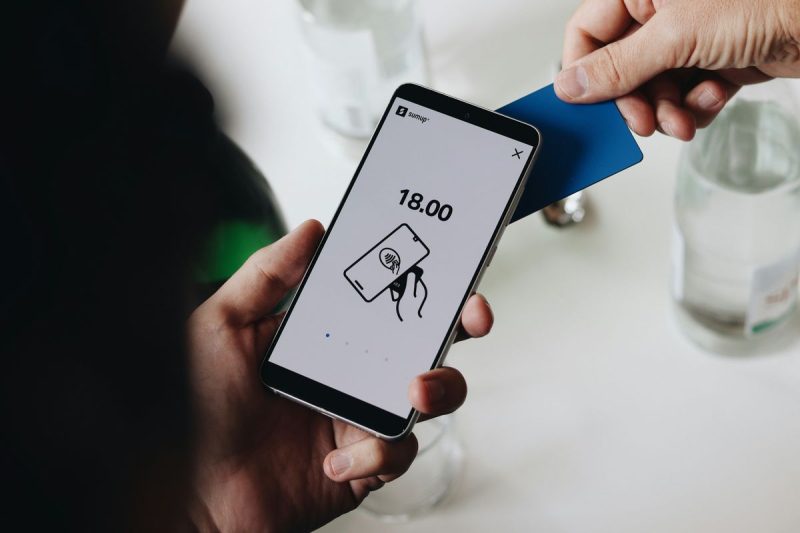
Mobile-money services played an outsized role: 10 percent of adults in these economies used mobile accounts to save, up from 5 percent just three years prior.
‘This is real progress,’ said Bill Gates, chair of the Bill & Melinda Gates Foundation, which supports the survey. ‘More people than ever have the financial tools to invest in their futures and build economic resilience, including women and others previously left behind.’
The data points to a broader trend: digital access is quickly becoming the defining factor in who gets to participate in formal financial systems. While nearly 80 percent of the world’s adults now have a financial account, 1.3 billion people still do not—and most of them live in countries where mobile-phone penetration is already high.
According to the report, around 900 million adults without financial accounts do own mobile phones, and more than half of those have smartphones.
“Financial inclusion has the potential to improve lives and transform entire economies,” said World Bank Group President Ajay Banga. “Digital finance can convert this potential into reality, but several ingredients need to be in place.”
Banga cited the Bank’s work supporting digital identification systems, social protection programs with direct cash transfers, and efforts to modernize national payment infrastructure. “We’re helping to remove regulatory roadblocks—so that people and businesses have the financing they need to innovate and create jobs,” he said.
The Findex also recorded an increase in digital merchant payments. In 2024, 42 percent of adults in developing economies made at least one in-store or online purchase using a card or mobile phone—up from 35 percent in 2021.
Among adults receiving wages or government payments, a growing majority are being paid directly into accounts, a shift that has been shown to reduce leakage and fraud.
At the same time, the rise in digital finance has exposed new gaps in consumer protection and digital literacy. Although 4 billion adults in low- and middle-income countries own mobile phones, only about half use passwords or other basic security tools. This leaves hundreds of millions vulnerable to scams, account theft, or misuse of their data.
For the first time, the report incorporated data on personal device ownership and internet use through a new Digital Connectivity Tracker. It found that 86 percent of adults globally now own a mobile phone, including 68 percent with smartphones.
These figures are even higher in some regions: mobile-phone ownership tops 94 percent in Europe and Central Asia, and smartphone use is highest in East Asia and the Pacific, where 86 percent of adults own one.
Sub-Saharan Africa showed the largest gains in mobile-money use, with 35 percent of adults now saving formally—up 12 percentage points since 2021. Meanwhile, women in low- and middle-income countries have made notable strides in account ownership, closing much of the gender gap: 73 percent now have accounts, compared with just 37 percent in 2011.
Still, challenges persist. In the Middle East and North Africa, only 53 percent of adults have an account, and formal saving remains low at 17 percent. In Latin America and the Caribbean, 70 percent have accounts, but usage patterns vary widely by country and income level.
Gates underscored the stakes: “The case for investing in inclusive financial systems, digital public infrastructure, and connectivity is clear—it’s a proven path to unlocking opportunity for everyone.”
The Global Findex, compiled every three years since 2011, remains the world’s most comprehensive database on how adults access, use, and trust financial services. The 2025 edition surveyed over 130,000 people in more than 120 countries.
Securities Disclosure: I, Giann Liguid, hold no direct investment interest in any company mentioned in this article.